

Recognising the strength of family – and the work still to do
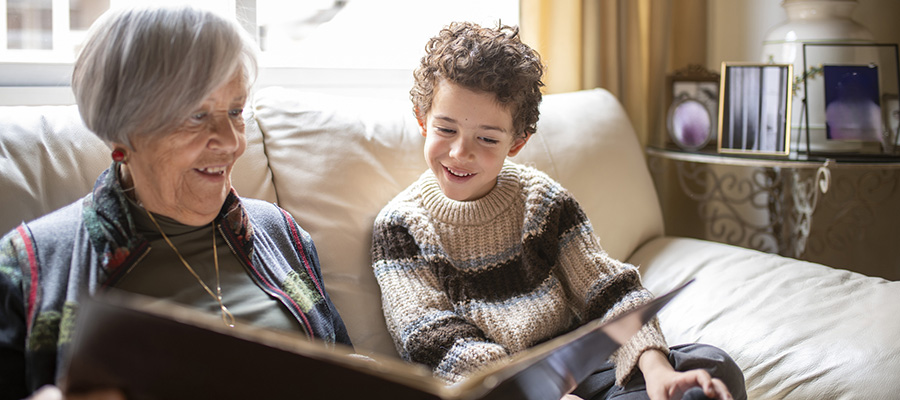
Kinship care, when a child is cared for by members of their family, such as a grandparent or an aunt or uncle, or a close family friend, rather than their parents, is a vital part of how Scotland keeps children safe, loved and connected to the people who matter most to them. This Kinship Care Week, I want to celebrate the quiet, devoted care of kinship families – and press for the consistent, practical support they need, so that every child growing up with their kinship carers can thrive.
A new 'working' Vision for Kinship Care from the Scottish Government sets out an ambition for a fairer, more consistent standard of support for kinship families across Scotland. The Vision places kinship care as central to meeting children’s needs and calls for clearer, more accessible help for carers and children and young people.
CELCIS welcomes the 'working’ Vision for Kinship Care, yet any vision must translate into rights, resources and routes to support that don’t rely on families repeatedly having to ask for and advocate for this. Local capacity and investment must be planned and resourced so that the aims of legislation, policy and guidance become lived realities for Scotland’s kinship families.
What approach is needed?
What is needed is timely, trauma-informed support that responds to children and young people’s lived experiences; practical help with housing; consistent support in education; and additional support when young people are going through important transitions in their young lives, such as starting school, moving house or preparing for adulthood. Help and support should not be seen as ‘extras’ – they are the foundations that help families to move from simply coping with daily life to being able to flourish.
Recent research, Growing Up in Kinship Care, published by CELCIS, for SCADR, the Scottish Centre for Administrative Data Research, reminds us why this approach matters. The findings highlight the growing number of children and young people cared for by family and friends, and the differences in experiences, outcomes and support needs that cannot, and should not, be ignored. For example, the research highlighted that children who lived with kinship care families were more likely to have additional support needs, than those who did not. The evidence is clear: this requires a thoughtful, purposeful, and sustained policy response.
For children and young people, growing up in kinship care can be both protective and complex. It can safeguard identity and family relationships, but, at times, it can also come with instability, additional transitions and the stress of living in households facing financial and emotional strain. Future policy and legislation must, therefore, be shaped by robust evidence and, crucially, by the voices of kinship families themselves. There is a genuine opportunity within the new Children (Care, Care Experience and Services Planning) (Scotland) Bill to strengthen how kinship families are recognised and supported. The proposed introduction of a comprehensive needs assessment within the Bill could be significant. This has the potential to ensure that children, young people and their kinship carers are supported in a relational way that recognises and responds to their individual circumstances.
What would effective support to families look like?
Securing effective support would be every kinship family knowing where to turn to for meaningful support when they need it, without having to continually push for it. It would be children and young people having timely, trauma-informed access to the health, education and therapeutic services they need, when they need them. It would be carers receiving clear, consistent financial and legal advice and guidance. Above all, it would be these supports being the norm, rather than an exception. This is what keeping The Promise of the Independent Care Review looks like in practice, and it reflects what we know children growing up in kinship care tell us they need.
Kinship Care Week is another opportunity to recognise and celebrate the strength, commitment and love that kinship families show each other every day. We are committed to working alongside our partners as part of a national group that aims to deliver improvements for kinship care families across Scotland - the Kinship Care Collaborative - to ensure that children and young people growing up in kinship care are not only recognised, but properly supported, with the stability, opportunities and care they need and deserve.
Read our response to the Scottish Government’s consultation on the Vision for Kinship Care
The views expressed in this blog post are those of the author and may not represent the views or opinions of our funders.
Commenting on the blog posts: sharing comments and perspectives prompted by the posts on this blog are welcome.
CELCIS operates a moderation process so your comment will not go live straight away.